


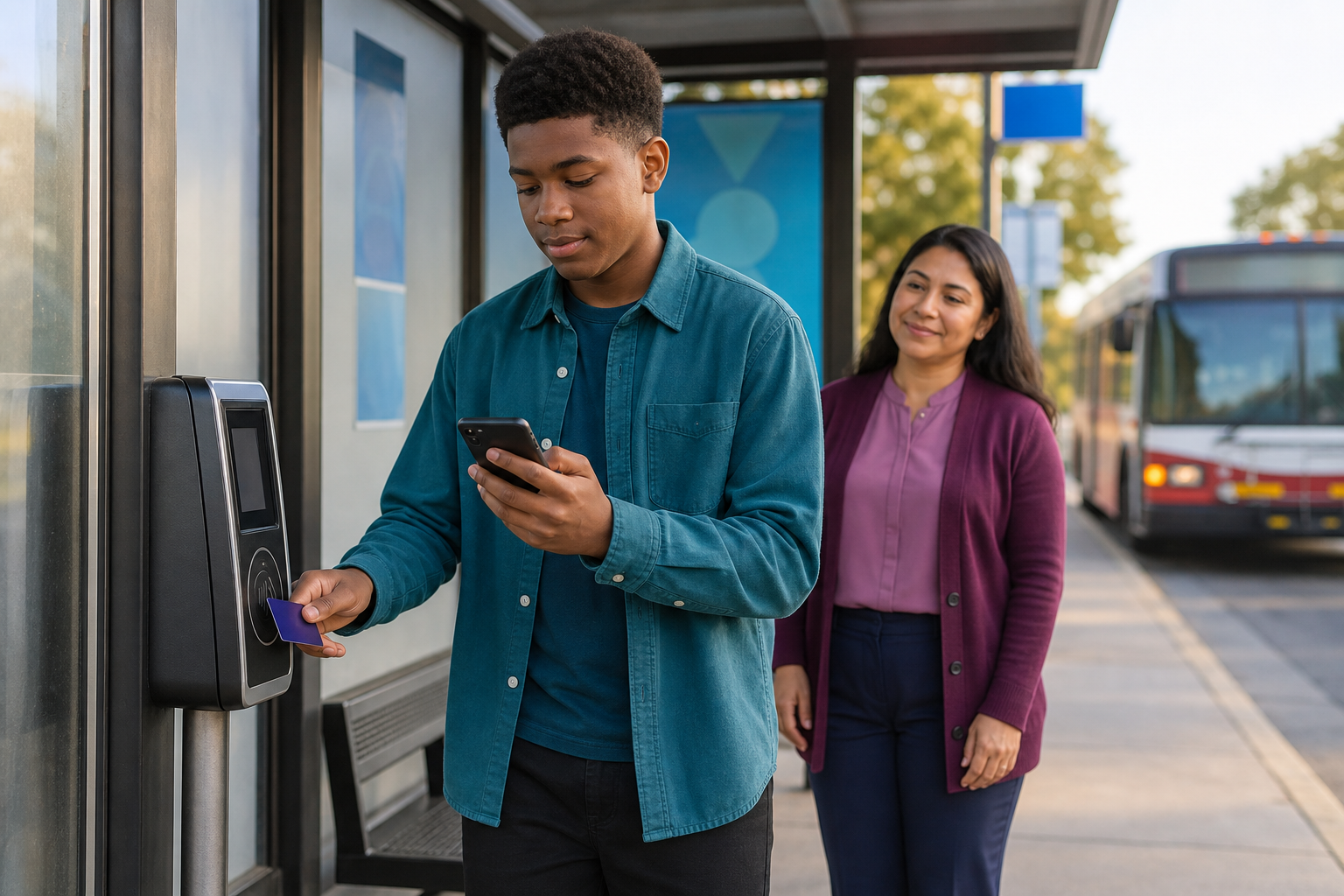
Older teens with autism can build meaningful independence through individualized goals, explicit teaching, repeated practice, and supports that change as their skills grow. Driving may be part of that path, but it is not the only one. Money management and public transportation can also open doors to school, work, friendships, and preferred activities.
Key takeaways
- Independence is not an all-or-nothing milestone. It can include planned supports, check-ins, visual tools, and help-seeking.
- Start with a meaningful goal and a clear picture of the teen’s current skills before choosing a driving, money, or public transportation path.
- Practice in real settings. Paying for a snack, checking a balance, and planning a familiar trip can be more useful than completing an abstract worksheet
- Build a safety net before fading support. Include a plan for delays, missed stops, a lost card, a dead phone, or an unexpected interaction.
- Coordinate with the people who know the teen well, including caregivers, school or IEP teams, BCBA and RBT staff, occupational therapy professionals, or travel trainers when appropriate.
What independence skills mean for an autistic teenager
Independence skills are the everyday abilities a teen uses to take part in life with the right level of support. They may include managing money, following a schedule, getting to school or work, communicating a need, making a purchase, or knowing when to ask for help.
Daily living skills often refer to routines such as personal care, meals, household tasks, and organizing belongings. Community mobility is the ability to move through the community, whether that means walking, riding with a trusted adult, using a bus or Metro, or eventually driving. These areas overlap. A teen who wants to buy lunch may need to plan a route, carry a payment method, read a schedule, and handle a small change in plans.
Strong academic skills do not automatically make those routines easy. A teen may understand a complex school assignment and still need explicit teaching for sequencing, time awareness, sensory regulation, or recovering from a mistake. That difference is not a failure. It is useful information for setting a tailored goal.
For broader context, a life-skills overview can help families think about daily routines. This article focuses more narrowly on older-teen independence, money, driving readiness, and community travel.
The ROUTE Independence Framework
The ROUTE Independence Framework gives families a repeatable way to choose a next step without treating driving as the finish line. It is a planning tool, not a pass-or-fail test.
R: Readiness and safety
Begin with a baseline. Consider route awareness, attention, judgment, communication, money concepts, sensory or emotional regulation, help-seeking, and willingness to receive feedback. For driving questions, a qualified driving evaluator or driving rehabilitation professional can provide information that a general article checklist cannot
O: Outcomes that matter
Start with the teen’s own goal. Maybe they want to buy a favorite snack, get to a job, visit a friend, attend an activity, or save for something important. Turn that goal into an observable routine, such as planning one familiar trip or checking a balance after a purchase. Success means useful autonomy with appropriate support, not doing everything alone.
U: Use real-world practice
Break one routine into small steps and practice where the skill will actually be used. Visual route cards, a simple budget, modeling, prompts, and phone tools can make an unfamiliar process easier to understand. If a teen is learning a bus route, practice reading the stop, waiting, paying the fare, confirming the destination, and responding to a small change in sequence.
T: Transfer and fade support
A skill that works with one caregiver on one quiet afternoon may not transfer automatically to a school day, a different route, or a change in weather. Practice with more than one trusted person and in gradually varied settings. A helpful progression may be caregiver-led practice, teen leads with support, caregiver shadows, and then a carefully reviewed independent attempt. Fade prompts when the teen shows the skill and can recover from common problems, not because a calendar says it is time.
E: Exception planning and partnership
Plan for the moments that can make a routine feel suddenly hard: a missed stop, a delay, a low phone battery, a lost card, a forgotten PIN, car trouble, or an uncomfortable interaction. Decide who the teen can contact and when it makes sense to pause, return to a familiar plan, or ask a staff member for help. Families can also connect this work with community-based ABA and school transition planning so practice is not isolated to one setting.
Driving readiness and alternatives: Is driving the right goal?
Some autistic teens can learn to drive, but readiness is individual. Driving is also not required for a meaningful adult life. A teen may build substantial autonomy through public transportation, travel training, supported rides, walking routes, or a combination of options.
Rather than asking whether a teen is simply ready or not ready, families can discuss questions such as:
- Can the teen follow and apply road rules in different situations?
- How do they respond to feedback, unexpected changes, and competing information?
- Can they maintain attention and communicate when they are confused or overwhelmed?
- What sensory or emotional supports might matter during practice?
- Do they want to learn to drive, or is the goal coming mostly from other people?
- What supervised practice or professional evaluation would give the family better information?
An occupational therapist, driving rehabilitation specialist, physician, school or IEP team, or another qualified professional may be part of that conversation. Parents and ABA providers should not use an article checklist to make an individual licensing or safety determination. Current state requirements also need to be checked directly.
For Maryland families, Maryland DORS Driver and Vehicle Services may be a useful starting point for eligible consumers. Program details and eligibility can change, so families should confirm current information before making plans.
Teaching money skills to an autistic teen
Money becomes easier to understand when it is connected to real choices. Start with one routine that matters to the teen instead of trying to cover every financial concept at once.
A practical progression might include:
- Compare needs and wants using familiar items.
- Create a small visual budget for a weekly activity or purchase.
- Practice paying with cash, a transit card, or a debit card in a supported setting.
- Check the receipt and balance together.
- Set a concrete saving goal, such as a preferred item or activity.
- Review PIN and password privacy, suspicious requests, scams, and what to do after a mistake.
The goal is not to remove all oversight immediately. It is to help the teen understand the routine, make choices, notice when something is wrong, and know how to ask for help. Money practice can also support transportation goals. A teen may need to estimate a fare, keep a card secure, or budget for a trip.
Families who want more foundational ideas can review money skills taught through everyday ABA routines, then adapt those ideas to the older teen’s goals, communication style, and community life.
Helping an autistic teen use public transportation
Public transportation can be a strong path to community independence, especially when driving is not a goal or is not the right fit. It can also be taught gradually, with the teen involved in choosing the destination and the supports.
A travel practice plan may include:
- Reading a route, stop, station sign, or simple visual route card.
- Checking departure times and recognizing the correct bus or train.
- Understanding the fare or payment method.
- Practicing pedestrian and crosswalk safety.
- Boarding, exiting, and confirming the destination.
- Asking a driver, station employee, or another trusted staff member for help.
- Carrying an emergency contact and knowing what to do if the phone battery dies.
- Rehearsing a missed-stop, delay, wrong-turn, or unexpected-route plan.
Try a gradual ladder: ride together, let the teen lead while the caregiver supports, shadow from a distance, and review what went well before considering a more independent trip. Some teens may need sensory supports, a quieter travel time, a visual schedule, or a planned check-in. Those supports do not cancel out independence. They can make participation possible.
For executive-function needs such as sequencing and planning, families may also find tools for older students useful. For broader community and personal safety foundations, see this autism safety-awareness guide
Maryland and Virginia resources for transition and travel
Local programs can change, and eligibility is not automatic. Use these as places to begin a conversation, then confirm current details directly:
Maryland DORS Driver and Vehicle Services: Information related to driving services for eligible consumers.
Virginia DMV Blue Envelope Program: A voluntary communication support for traffic stops. It is not driving instruction or a readiness assessment. Visit the Virginia DMV Blue Envelope page for current information.
WMATA Metro Ready:Regional travel training and system orientation for customers with disabilities using Metrobus and Metrorail. Visit Metro Ready for current information.
ECNV travel training: The ENDependence Center of Northern Virginia offers local travel-training information for fixed-route bus and Metro travel.
Maryland DDA Transitioning Youth: Transitioning Youth resources can provide context for transition planning and service conversations.
Maryland high-school transition guide may help families connect transportation and money goals with school, work, and adult-life planning.
Frequently asked questions
What independence skills should an autistic teenager learn?
There is no single list for every teen. Start with the routines that support the teen’s goals, such as paying for a purchase, following a schedule, traveling a familiar route, communicating a need, or responding to an unexpected change. Add skills in a way that respects the teen’s preferences and support needs.
How do I know if my autistic teen is ready to drive?
There is no online checklist that can make that decision. Discuss the teen’s goals, attention, judgment, road-rule knowledge, response to feedback, regulation, and supervised practice with qualified professionals. Remember that public transportation and other supported mobility options are valid routes to independence.
How can I teach money management to an autistic teenager?
Use real, repeatable routines. Begin with a small budget or purchase, practice the payment method, check the balance, and talk about privacy and scams. Build in support for mistakes rather than expecting the teen to manage every financial decision independently right away.
Can an autistic teen learn to use public transportation independently?
Many teens can learn parts of a route or a travel routine with individualized teaching and practice. Begin with a familiar trip, use visual or phone supports, rehearse what to do if plans change, and fade caregiver support gradually when the teen is comfortable and can use the safety plan.
Does independence mean my teen has to do everything alone?
No. Independence can mean making choices, taking a meaningful role, and knowing how to use support. A planned check-in, visual route card, travel companion, or trusted contact can be part of a successful adult routine
Building the next step together
Parents do not have to solve driving, money, and public transportation all at once. Choose one meaningful routine, identify the support that makes it possible, and review progress with the people involved in the teen’s daily life.
Able Minds ABA’s approach centers on partnership across home, school, and community settings. If individualized practice and caregiver coaching would help your family connect these goals to a daily rhythm, learn more about in-home ABA therapy in Maryland. The right plan is the one that supports meaningful progress, tangible growth, and the teen’s own path toward a fuller, more self-directed life.
